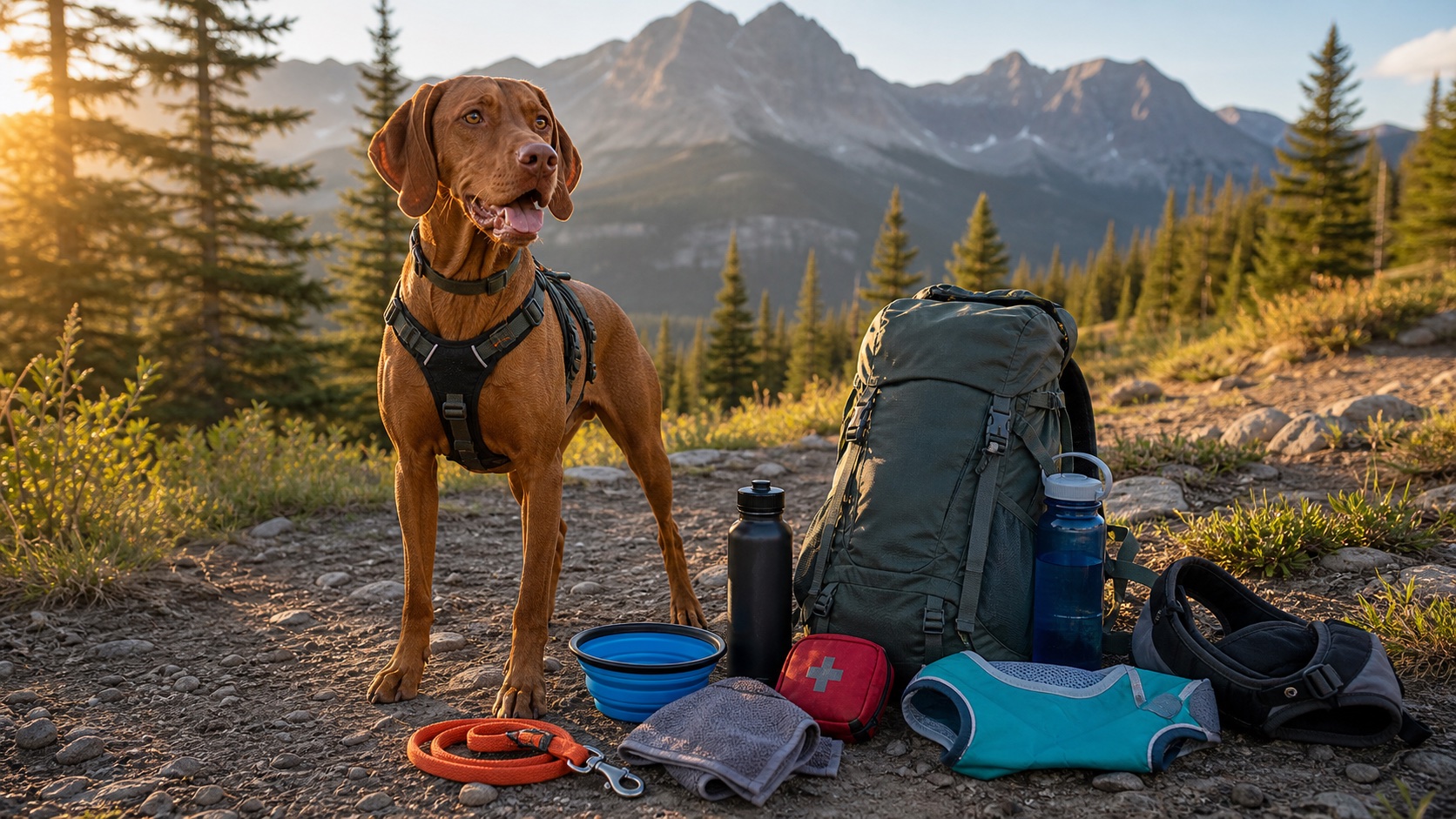
Summer backpacking with dogs: a Vizsla hiking checklist
A practical summer hiking and backpacking checklist for dogs in Canada, built around a high-energy Vizsla and Rockies day-hike conditions.

How this guide was built
Prices shown are tracked in real time across 18+ outdoor retailers including US and Canadian stores. We monitor sale pages, clearance sections, and seasonal promotions automatically.
Gear lists are curated by our team based on current deals, not paid placements. We select items that offer genuine value — real discounts on quality gear from established brands. Prices update as retailers change them.
Seasonal patterns described in this guide are based on historical pricing data we've tracked across multiple clearance cycles.
A good dog hiking checklist turns a rushed 5 a.m. scramble into a calm start. For high-energy dogs like Vizslas, summer mountain days are easier when water, leash, first aid, weather gear, and car towels are packed before the boots come out.
Current deals on summer hiking gear
The kit · priced live
Summer backpacking with dogs: a Vizsla hiking checklist
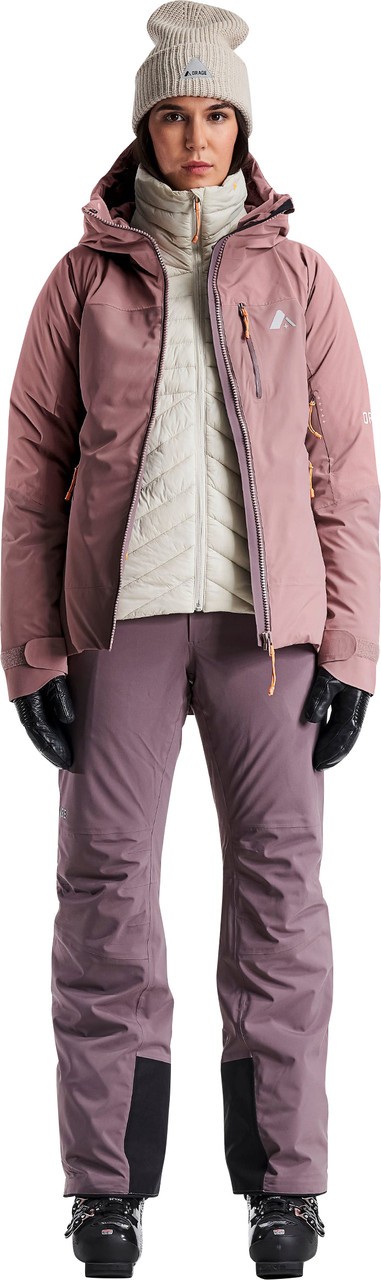
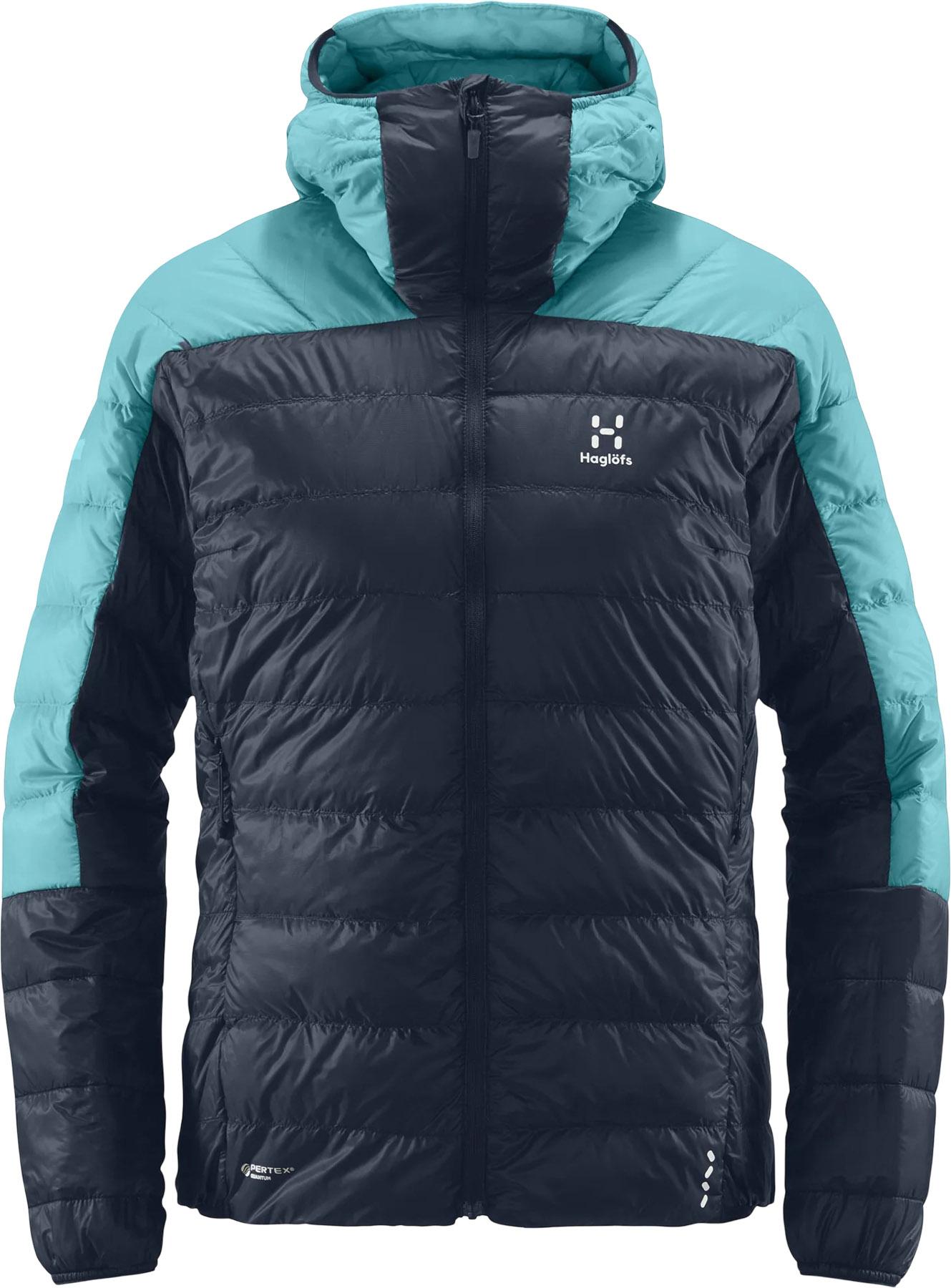
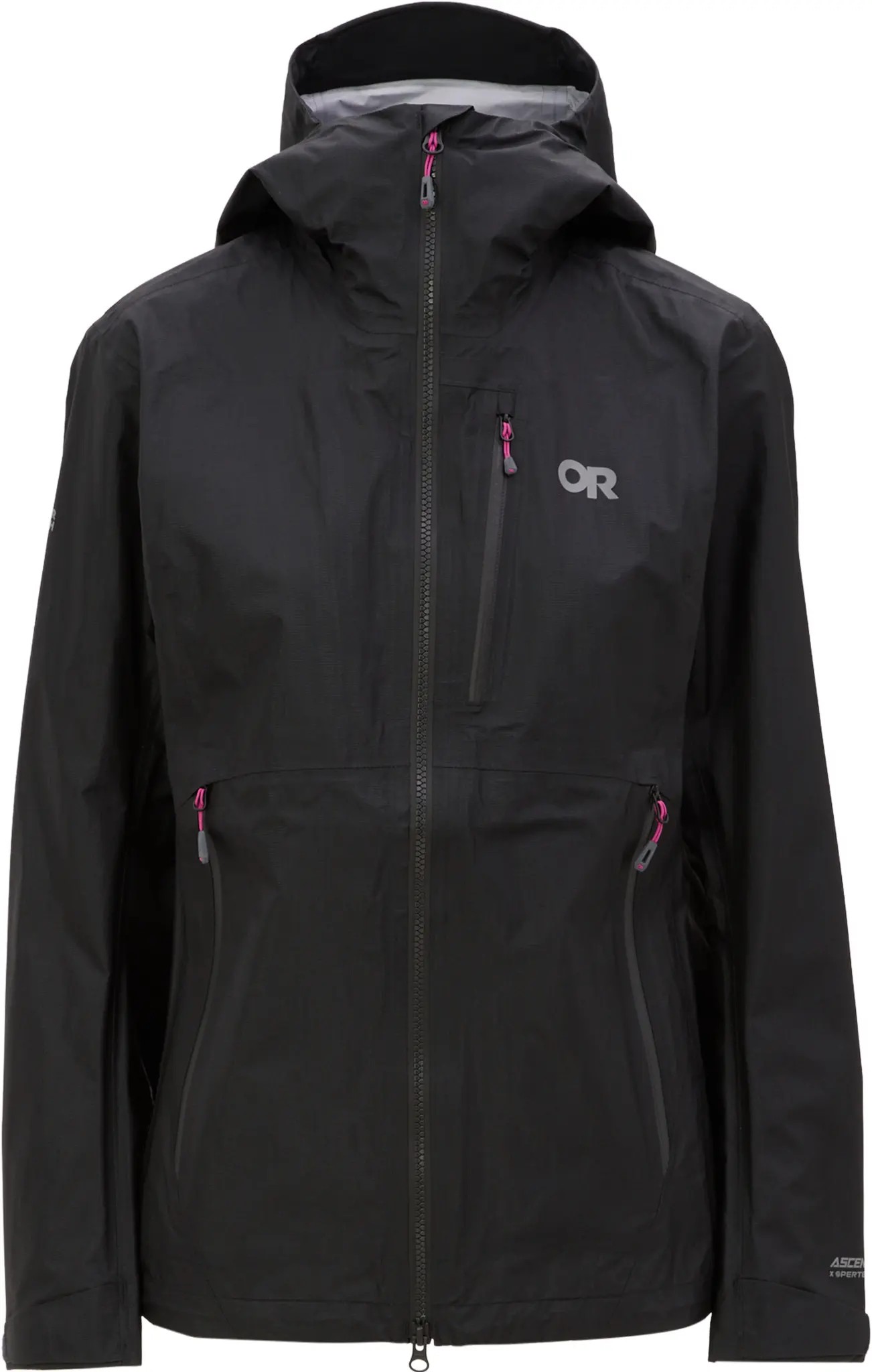
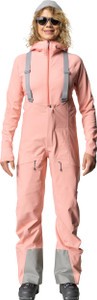
$821.57 total · $969.43 under retail
Why a separate dog checklist helps
For years, I was the person trying to remember where I left the dog leash, whether the water bowl was clean, and whether I packed enough water for both the hike and the drive home. The result was always the same: a rushed start and the feeling that I had forgotten something important.
The fix was simple. I created two lists: one for my own hiking gear and one for the dog. Not a complicated spreadsheet, just a checklist on my phone. The night before a hike, I pack both lists. In the morning, all that is left is coffee, food, and loading the dog into the car before heading west while the city is still waking up.
Summer dog hiking checklist
Essentials for your dog
- Leash that matches the trail rules and gives you real control.
- Harness with visible ID tags and a secure attachment point.
- Water for the hike, plus extra water left in the car.
- Collapsible water bowl that is easy to reach without unpacking everything.
- Dog food, high-value treats, and a little extra fuel for long days.
- Poop bags, including extras for the trailhead and drive home.
- Dog towel for mud, creek crossings, rain, and the back seat.
Dog first aid supplies
- Vet wrap for small cuts, pad issues, and temporary support.
- Tweezers for burrs, splinters, or debris.
- Tick remover, especially for grassy approaches and lower-elevation trails.
- Paw balm or booties for sharp rock, hot surfaces, or worn pads.
- Your vet's phone number and the nearest emergency clinic for bigger trips.
Weather and heat gear
- Cooling vest or extra water for warm exposed trails.
- Lightweight dog jacket for cold alpine wind, rain, or sudden weather changes.
- Shade breaks planned before your dog needs them.
- Turnaround plan if the trail gets hotter, slower, or more exposed than expected.
Be careful once temperatures climb
If you have hiked with a Vizsla, you already know they are built for big movement: endless energy, constant scanning, and a real sense that trail days are what they were made for. That drive is exactly why hot weather deserves extra caution. Once the forecast gets above about 20 °C, I treat the day differently: earlier start, more water, more shade, shorter objectives, and a lower threshold to turn around.
Cornell's veterinary guidance notes that heatstroke can become a medical emergency and lists warning signs such as heavy panting, drooling, vomiting, weakness, confusion, seizures, and collapse. This guide is not veterinary advice; if your dog shows heat stress symptoms, cool them safely and seek urgent veterinary care.
Rockies conditions change quickly
Hiking in the Rockies with a dog in summer does not mean preparing only for heat. One hour can feel like peak July. The next can bring cold wind, rain, or even snow near higher elevations. Add sharp rock, muddy trail, creek crossings, bugs, and afternoon storms, and a simple day hike starts to look more like a small backcountry system.
AdventureSmart recommends carrying essentials such as extra food and water, extra clothing, navigation and communication aids, first aid, emergency shelter, sun protection, and a trip plan. When a dog joins the hike, your dog gear should sit beside that same human safety list, not as an afterthought.
Emergency carry sling
Most hikers do not carry an emergency dog sling on casual day hikes. I did not either at first. But after seeing how quickly a paw injury, heat issue, or awkward fall could turn into a long carry back to the trailhead, I started packing one on bigger mountain days. Thankfully, it is something I have never needed. I like knowing it is there.
Trail rules and wildlife
In Parks Canada protected places, dogs must be on leash and under control, and some areas restrict pets entirely. Check the trail before you drive. A leash is not only about rules; it protects wildlife, other hikers, and your dog in bear, elk, coyote, and ground-nesting bird habitat.
Make packing automatic
The funny thing is that once the list exists, packing stops feeling like work. The dog gear bin lives near the door. The harness hangs on the hook. Water bowls stay tucked inside the backpack. Towels get washed and folded after every trip. It takes maybe ten minutes to get ready.
And when you are heading into the mountains before sunrise, simplicity matters. Especially with a Vizsla standing beside the door, vibrating with excitement the second hiking boots come out.
FAQ
What should I pack for a summer hike with a dog?
Start with leash, harness, ID, water, collapsible bowl, food, treats, poop bags, towel, first aid, paw protection, and a weather layer. For bigger mountain days, add an emergency carry sling.
Is 20 °C too hot to hike with a dog?
Not automatically, but it is a useful caution point for active dogs. Sun exposure, humidity, terrain, trail surface, shade, water access, and your dog's conditioning all matter. Start early and turn around before your dog is struggling.
Do dogs need to be leashed in Canadian national parks?
In Parks Canada protected places, dogs must be on leash and under control. Check current trail restrictions before you go, especially in wildlife corridors and sensitive habitat.
Safety references: Parks Canada dog rules, AdventureSmart hiking essentials, and Cornell veterinary heatstroke guidance.
Found something on your list? Track the price.
We'll email you when it goes on sale — no account required.
Track a price on any product
Explore More Guides
Shop Related Deals
Get notified about new guides
We publish gear guides, deal calendars, and buying strategies. Get them in your inbox — no spam, unsubscribe anytime.
Sent by backpacker.ca · backpacker.ca